Pterocarpus osun Craib
Common Name
African Barwood
Family
Faboideae
Origin & Distribution
Native to tropical West Africa, particularly Nigeria, Benin, and Ghana. Occurs naturally in lowland forests, riverine areas, and secondary woodlands. Cultivated in various parts of Nigeria for medicinal, ornamental, and cultural purposes.
Conservation Status
Least Concern

Description
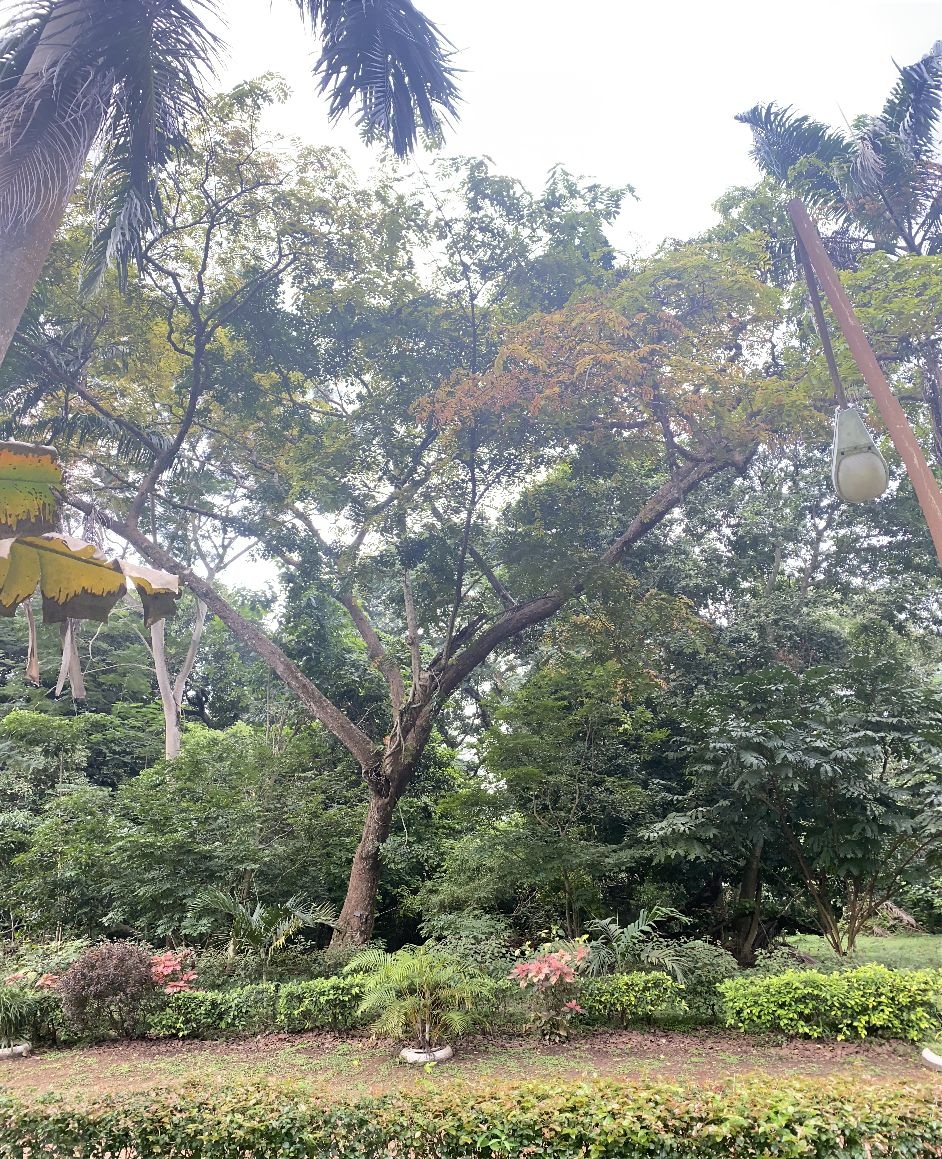
Medium-sized deciduous tree reaching 12–15 meters in height. Trunk straight, cylindrical, with dark brown to greyish bark that exudes a distinctive reddish sap when cut. Leaves are pinnate, with 5–11 glossy, oblong leaflets arranged alternately. Produces bright yellow, fragrant flowers in loose clusters, usually before leaf flush. Fruits are flat, circular, winged pods (samara-type), about 5–8 cm in diameter, containing a single seed.
Ecological Information
Thrives in well-drained loamy soils, often in moist semi-deciduous forest zones. Prefers full sunlight but tolerates light shade. Flowering season often coincides with the onset of rains, followed by fruiting.
Uses & Importance
Bark and heartwood yield a deep red dye used in traditional Yoruba textiles and body art. Timber valued for carpentry, furniture, and tool handles due to its durability. Bark and leaves used in traditional medicine for skin ailments, fever, and inflammation. Culturally significant in Yoruba traditional rites.
Tree Photos

Quick Info
- Scientific Name
- Pterocarpus osun Craib
- Family
- Faboideae
- Tree Code
- UI-BG-TS-008
- Conservation
- Least Concern