Stereospermum kunthianum Cham.
Common Name
Pink Jacaranda, Bignonia Tree
Family
Bignoniaceae
Origin & Distribution
Native to tropical Africa. Widely distributed across West Africa, including Nigeria, Mali, Burkina Faso, Ghana, Cameroon, and Sudan.
Conservation Status
Least Concern

Description
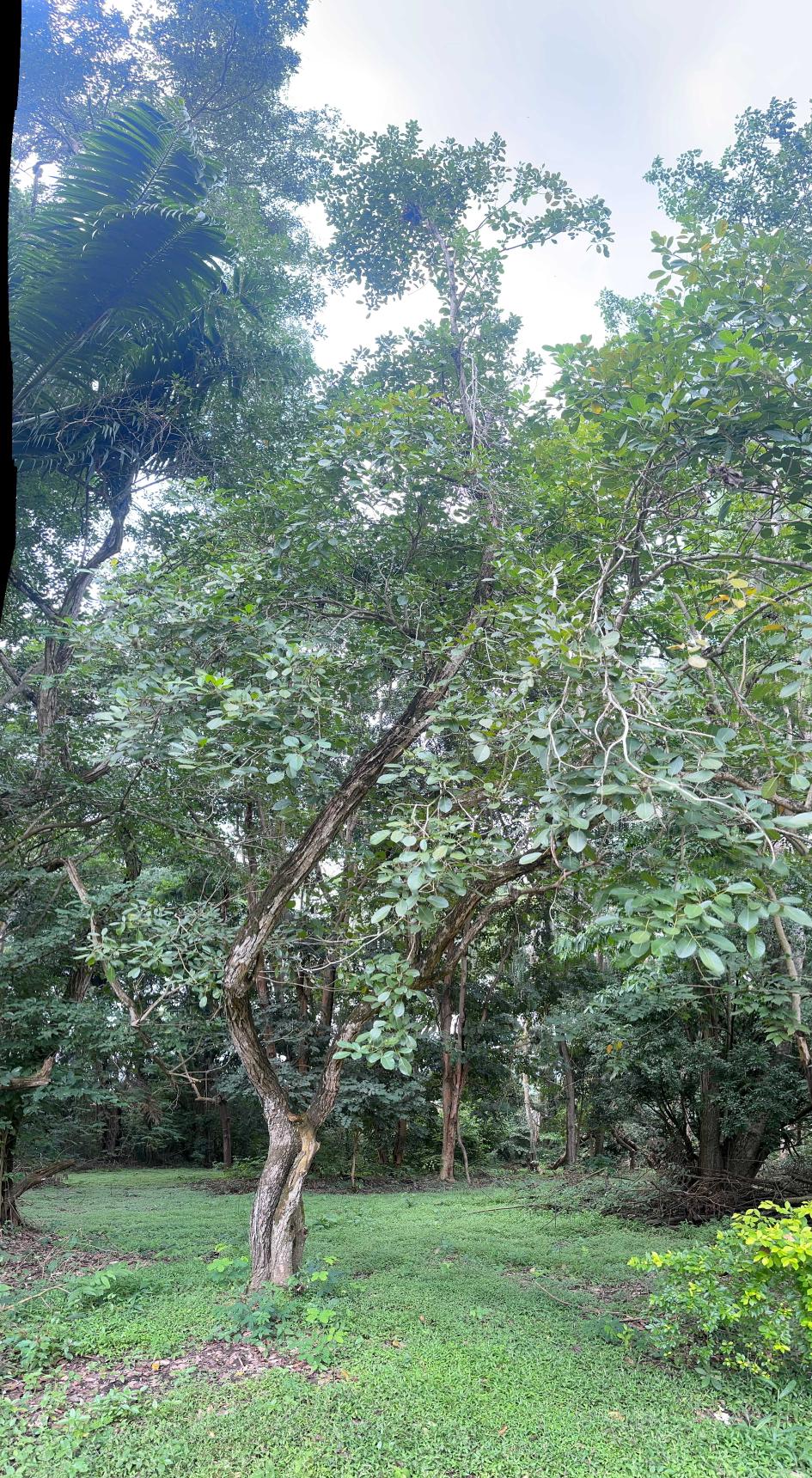
Medium-sized deciduous tree reaching 7–15 m in height. Bole often short, crooked; bark greyish-brown, scaly, with fissures exposing reddish inner bark. Leaves opposite, pinnate, with 3–6 pairs of lanceolate leaflets, green above and paler beneath. Flowers large, trumpet-shaped, pink to purplish, often with yellow throats; borne in terminal or axillary panicles. Fruit is a long, narrow, cylindrical capsule up to 60 cm long, containing numerous small winged seeds.
Ecological Information
Common in wooded savannas, riverine areas, and secondary forests. Tolerates dry conditions; sheds leaves during the dry season to conserve water. Attracts pollinators like bees and sunbirds during flowering.
Uses & Importance
Wood used locally for tool handles, light construction, mortars, and pestles. Bark and roots widely used in traditional medicine for cough, chest pain, malaria, and skin diseases. Ornamental value due to its attractive pink flowers. Leaves used as fodder for livestock in rural areas.
Tree Photos
Quick Info
- Scientific Name
- Stereospermum kunthianum Cham.
- Family
- Bignoniaceae
- Tree Code
- UI-BG-TS-019
- Conservation
- Least Concern