Tabebuia rosea (Bertol.) DC.
Common Name
Pink Trumpet Tree, Rosy Trumpet Tree, Pink Poui
Family
Bignoniaceae
Origin & Distribution
Native to tropical America (Central and South America, particularly from Mexico to Venezuela and Ecuador). Now widely planted in tropical and subtropical regions as an ornamental shade tree.
Conservation Status
Least Concern

Description
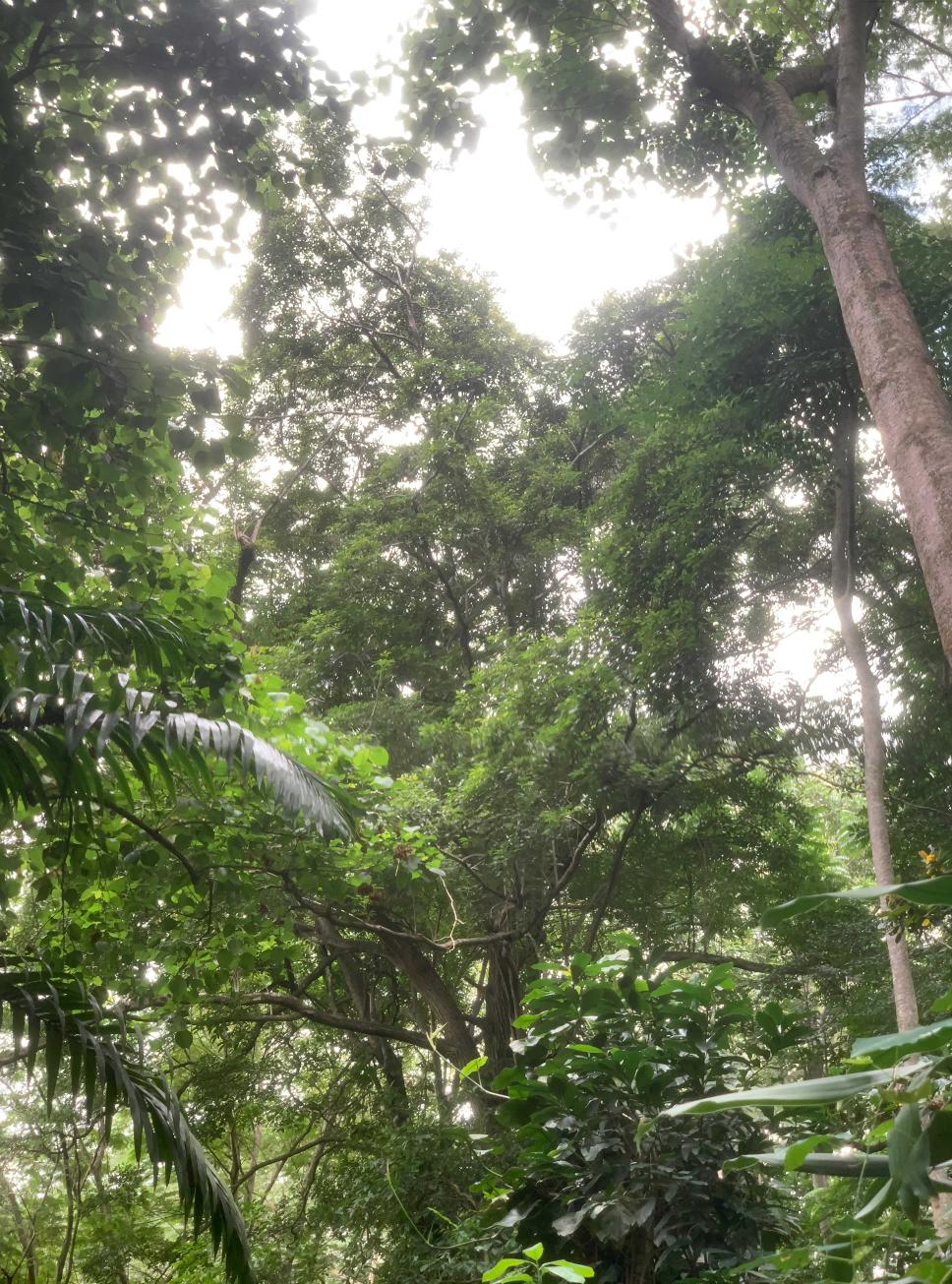
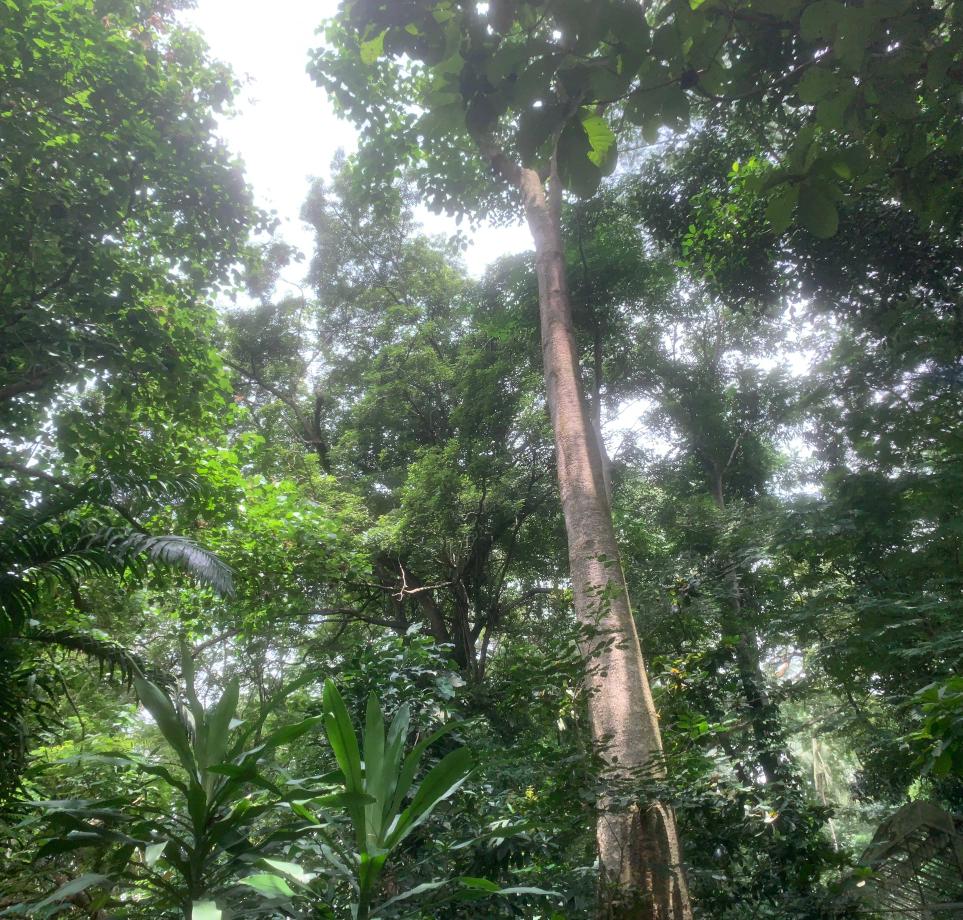
Medium to large deciduous tree, growing up to 20–25 m tall, with a rounded to spreading crown. Bark greyish-brown, slightly fissured. Leaves are opposite, palmately compound with 5 leaflets, each leaflet broadly lanceolate to elliptic, 5–15 cm long. Flowers are large, trumpet-shaped, pale pink to rosy pink with a yellow throat; borne in large clusters before or during leaf flush, especially at the end of the dry season. Fruits are long, slender capsules (pods) up to 35 cm long, containing numerous winged seeds.
Ecological Information
Deciduous during dry season to conserve water. Prefers full sunlight and well-drained soils. Often planted along avenues, gardens, and parks for seasonal floral display.
Uses & Importance
Ornamental: Highly valued for its stunning floral display during blooming season, often when the tree is leafless. Shade: Provides broad shade in public spaces. Timber: Wood is moderately durable, used for light construction, interior work, and furniture in native range. Cultural: In some countries, associated with street beautification programs.
Tree Photos
Quick Info
- Scientific Name
- Tabebuia rosea (Bertol.) DC.
- Family
- Bignoniaceae
- Tree Code
- UI-BG-TS-022
- Conservation
- Least Concern