Lagerstroemia speciosa (L.) Pers.
Common Name
Queens flower, Pride of India
Family
Lythraceae
Origin & Distribution
Native to tropical and subtropical South and Southeast Asia (India, Bangladesh, Philippines, Malaysia). Widely cultivated in tropical regions worldwide for ornamental and medicinal purposes, including West Africa.
Conservation Status
Least Concern

Description
Medium-sized deciduous or semi-evergreen tree, 10–20 m tall. Bark smooth to flaky, grey to light brown, peeling off in thin patches. Leaves opposite, large, simple, elliptic to oblong, 8–15 cm long; turn reddish before falling. Flowers large, showy, crinkled, pink to purplish, borne in long terminal panicles. Fruits are oval to round, woody capsules that split open when mature, releasing numerous small winged seeds.
Ecological Information
Prefers full sunlight and well-drained fertile soils. Tolerates seasonal drought but performs best in areas with good rainfall. Attracts pollinators like bees, butterflies, and some bird species.
Uses & Importance
Ornamental: Popular avenue and garden tree for its spectacular floral display. Medicinal: Leaves and bark used traditionally in Asia to manage diabetes, diarrhea, and urinary tract infections. Timber: Moderately hard, used for light construction, furniture, and tool handles. Environmental: Enhances aesthetics and provides shade in parks and botanical gardens.
Tree Photos
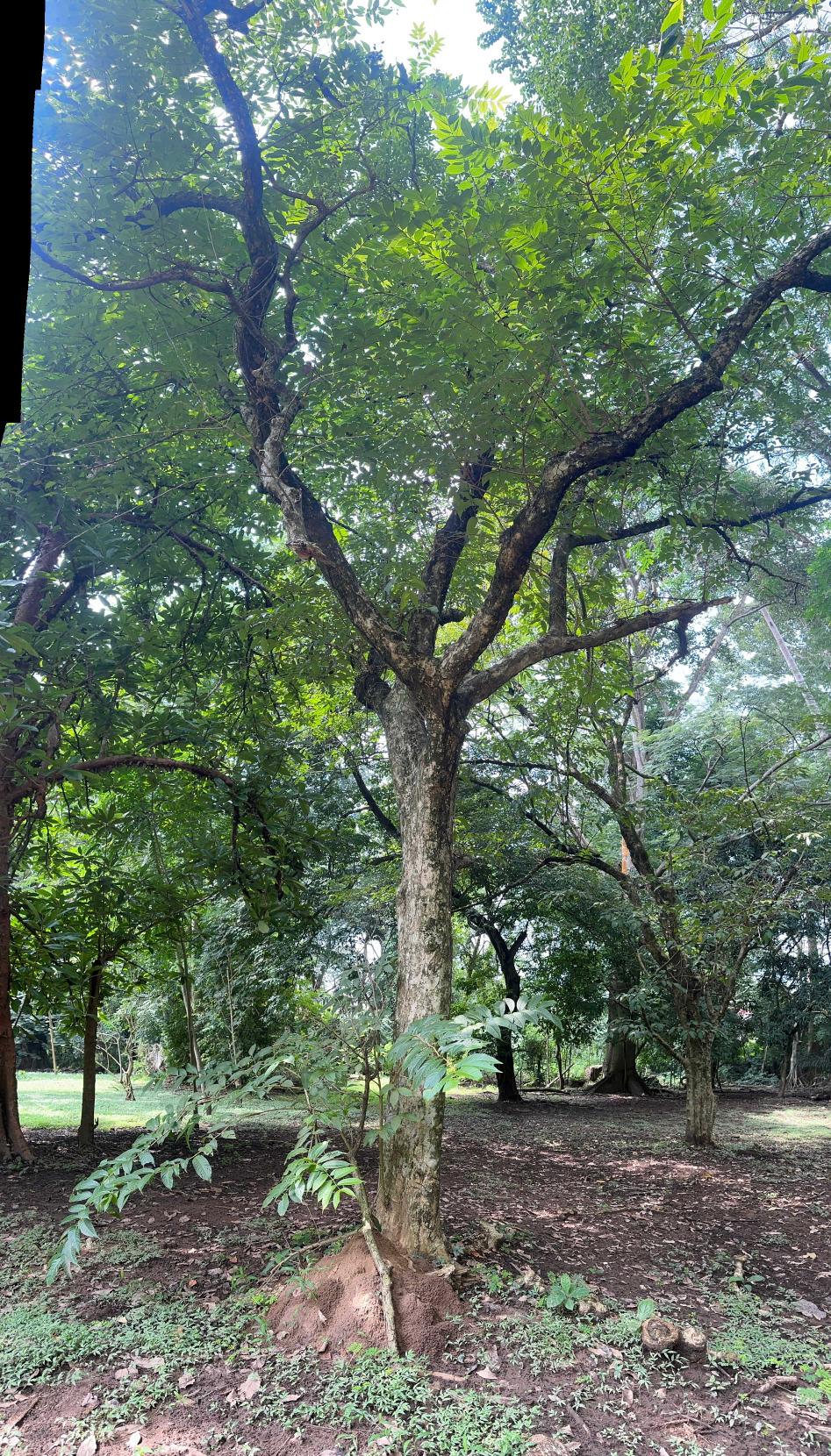
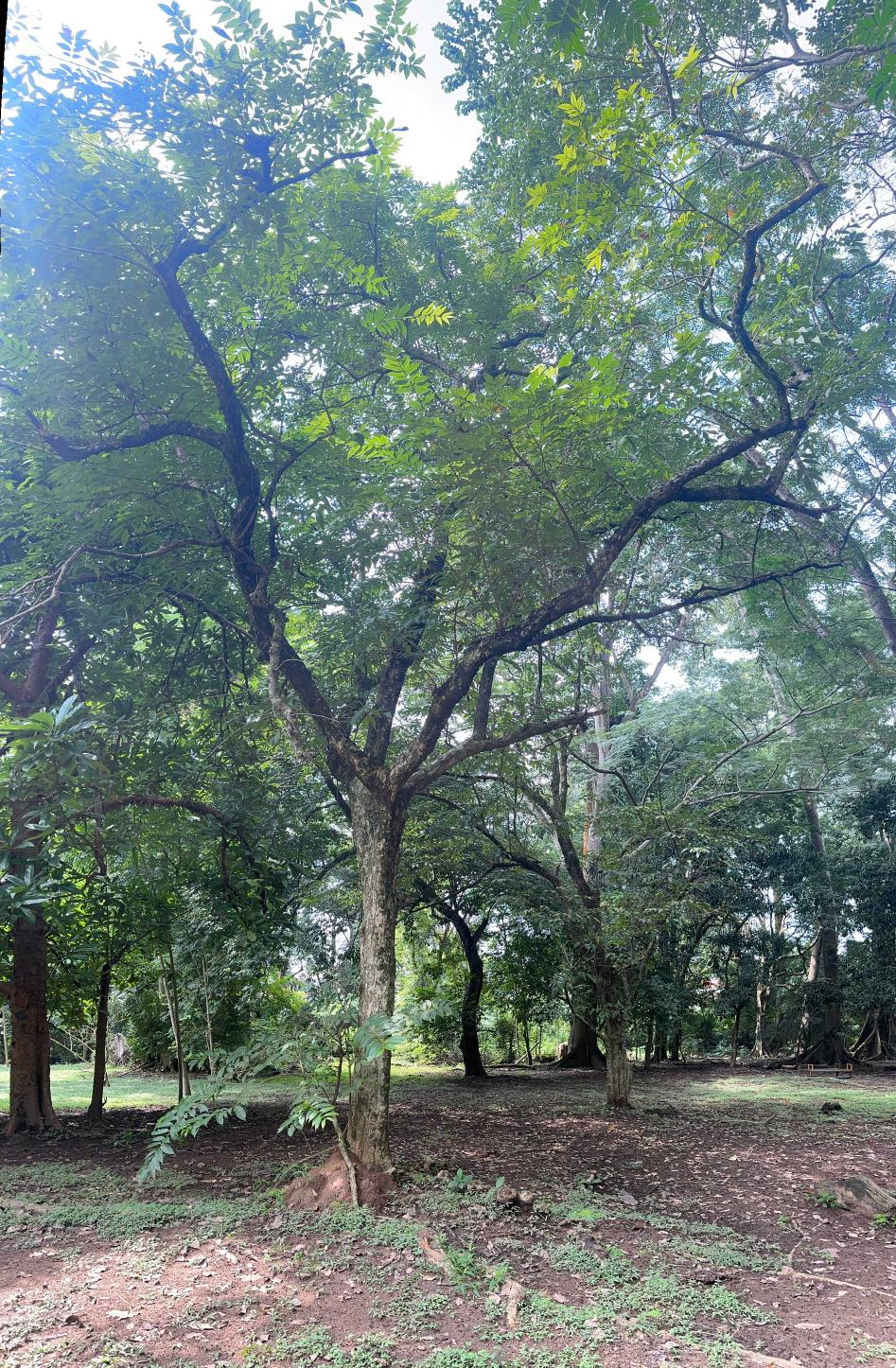
Quick Info
- Scientific Name
- Lagerstroemia speciosa (L.) Pers.
- Family
- Lythraceae
- Tree Code
- UI-BG-TS-024
- Conservation
- Least Concern