Peltophorum pterocarpum (DC.) K. Heyne
Common Name
Copperpod
Family
Caesalpinioideae
Origin & Distribution
Native to tropical Southeast Asia and the Indian subcontinent. Widely cultivated in tropical regions around the world for its ornamental value, including West Africa, Australia, and the Caribbean. In Nigeria, planted along avenues, in parks, and in botanical gardens for shade and aesthetic appeal.
Conservation Status
Least Concern

Description
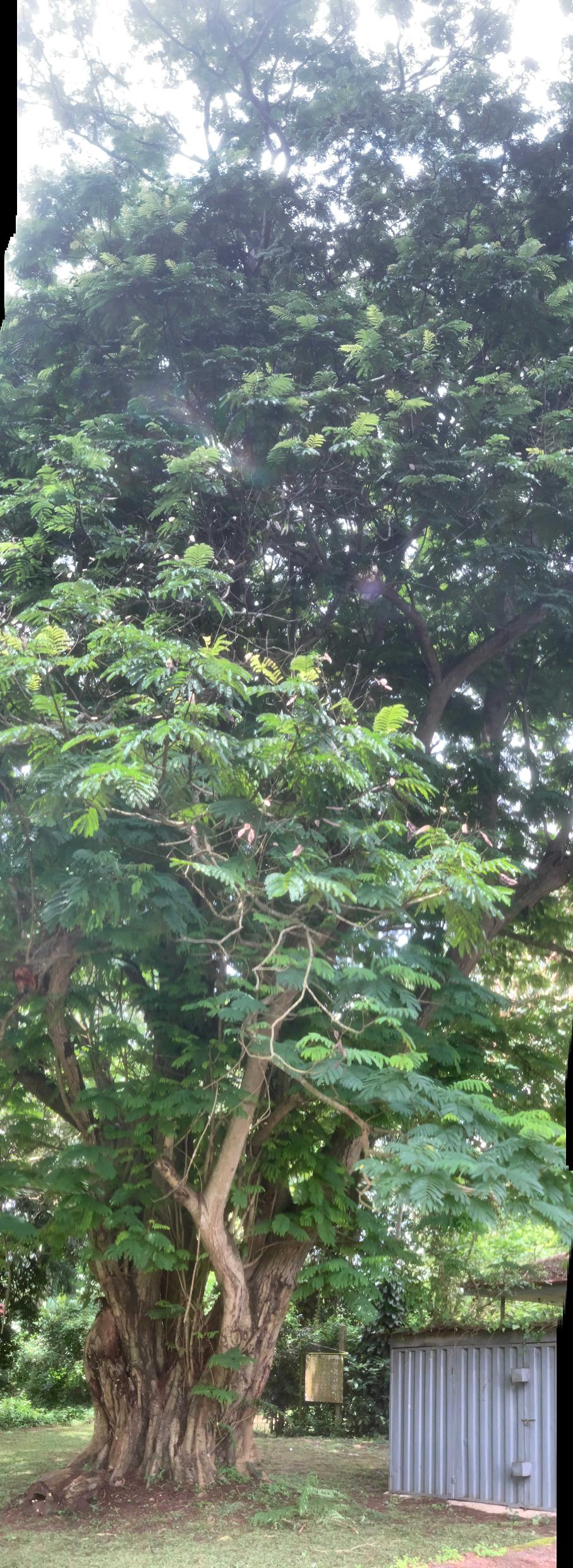
Large, deciduous or semi-evergreen tree reaching 15–25 m in height. Trunk straight with spreading branches forming a broad, umbrella-shaped crown. Bark dark grey to brown, rough and fissured with age. Leaves bipinnate, up to 45 cm long; each pinna with 8–20 pairs of small, oblong leaflets (1–2 cm long), bright green above, lighter beneath. Flowers bright yellow, crinkled, fragrant, in large terminal panicles up to 40 cm long, blooming profusely in dry season (often before new leaves flush). Fruits are flat, oblong pods (5–10 cm long), dark brown to black when mature, containing 1–4 seeds; pods often remain on the tree long after maturity.
Ecological Information
Prefers well-drained soils and full sunlight. Drought-tolerant and thrives in tropical climates with distinct wet and dry seasons. Flowers attract bees, butterflies, and other pollinators; seeds dispersed by gravity and sometimes by wind.
Uses & Importance
Ornamental: Widely planted for its brilliant yellow flowers and shade. Timber: Wood is moderately hard, used for furniture, light construction, and firewood. Traditional Medicine: Bark and leaves used in folk remedies for skin ailments, wounds, and inflammation. Environmental: Provides shade, reduces urban heat, and supports urban biodiversity.
Tree Photos

Quick Info
- Scientific Name
- Peltophorum pterocarpum (DC.) K. Heyne
- Family
- Caesalpinioideae
- Tree Code
- UI-BG-TS-029
- Conservation
- Least Concern