Albizia lebbeck (L.) Benth.
Common Name
Woman's tongue tree
Family
Caesalpinioideae
Origin & Distribution
Native to tropical Asia, especially India and Southeast Asia, but widely naturalized across tropical Africa, the Caribbean, and the Americas. In Nigeria, it is commonly planted as an ornamental, shade, and avenue tree in urban and rural areas.
Conservation Status
Least Concern

Description
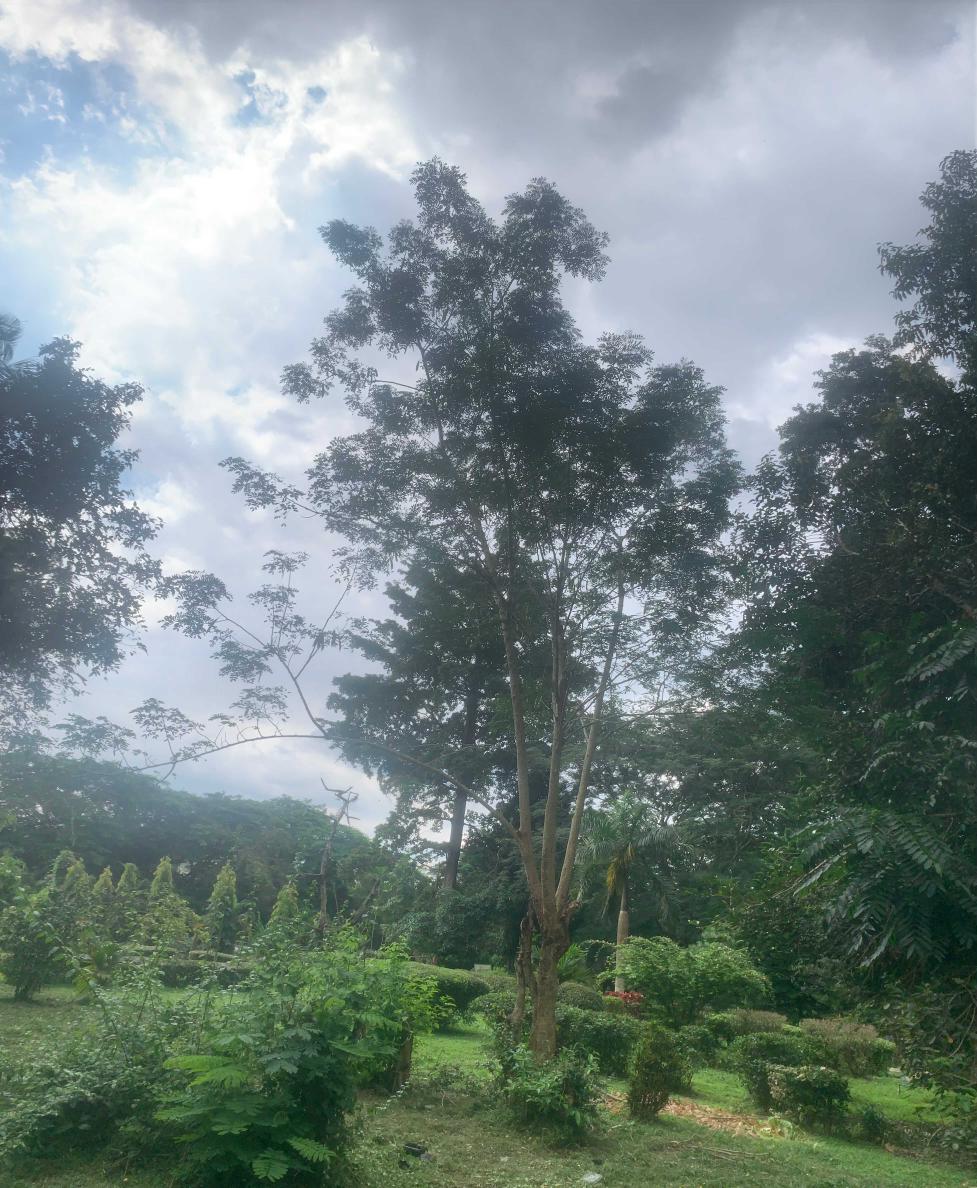
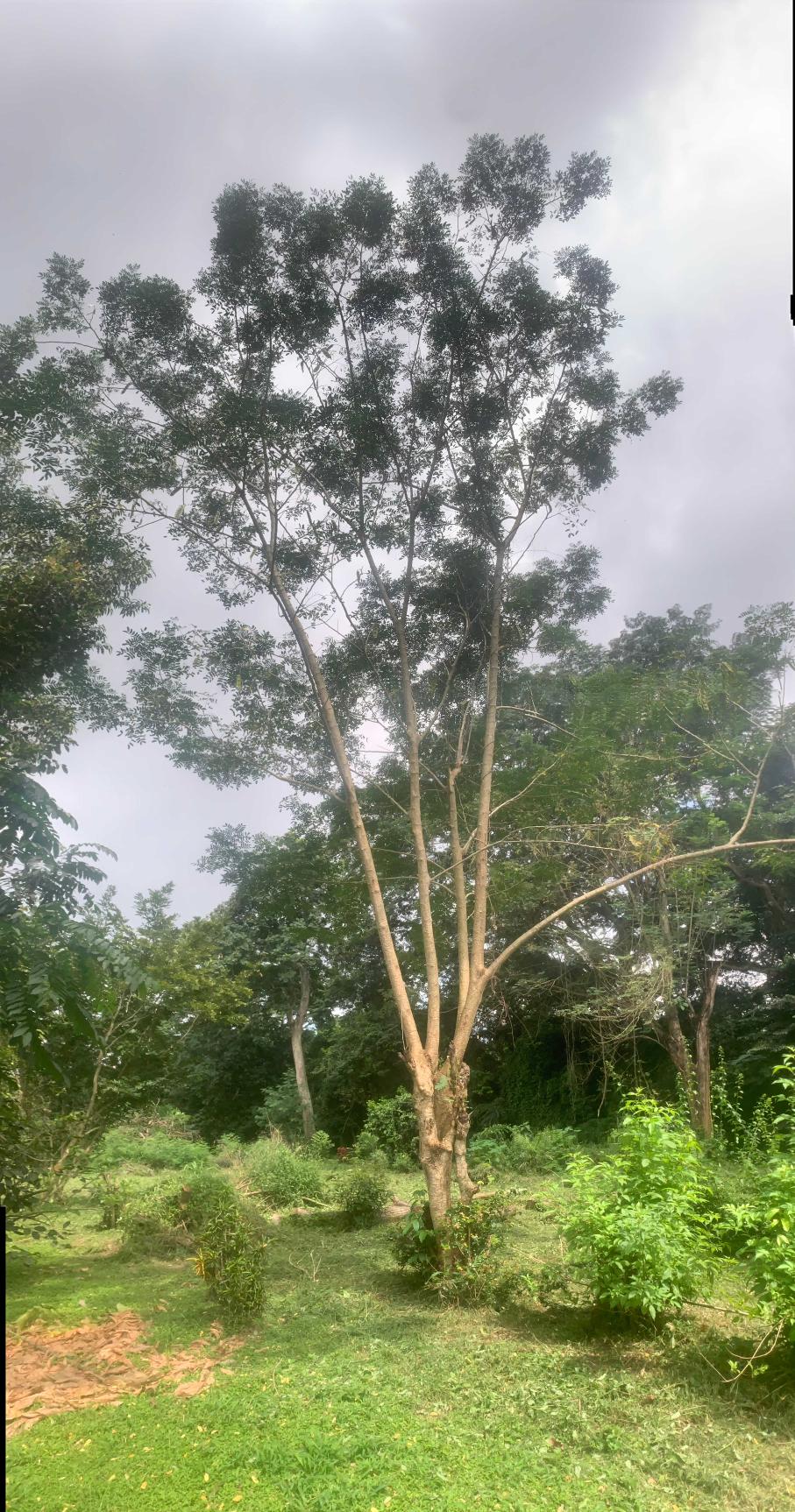
Large deciduous tree, typically 15–25 m tall with a broad, spreading crown. Bark: Grey to brown, smooth when young, becoming rough and fissured with age. Leaves: Bipinnate, with 2–4 pairs of pinnae, each bearing 6–18 oblong leaflets; bright green and slightly glossy. Flowers: Numerous, fragrant, cream to yellowish-white, borne in globose heads; stamens long and conspicuous, giving flowers a powder-puff look. Fruits: Flat, thin, papery pods (15–30 cm long), straw-coloured when dry; produce a characteristic rattling sound when shaken by wind, hence the name "Woman's tongue tree."
Ecological Information
Tolerates a wide range of soils, from sandy to clayey, but prefers well-drained sites. Drought-tolerant once established. Attracts bees, butterflies, and other pollinators to its flowers. Seeds are wind-dispersed and sometimes carried by water.
Uses & Importance
Timber: Durable, medium-weight wood used for furniture, joinery, and tool handles. Shade and Ornamental: Popular for avenue planting and large gardens. Fodder: Leaves and pods serve as livestock feed in rural communities. Medicinal: Bark and seeds used in traditional medicine for respiratory ailments, skin diseases, and as an anti-inflammatory. Soil Improvement: Nitrogen-fixing tree that enhances soil fertility.
Tree Photos
Quick Info
- Scientific Name
- Albizia lebbeck (L.) Benth.
- Family
- Caesalpinioideae
- Tree Code
- UI-BG-TS-034
- Conservation
- Least Concern